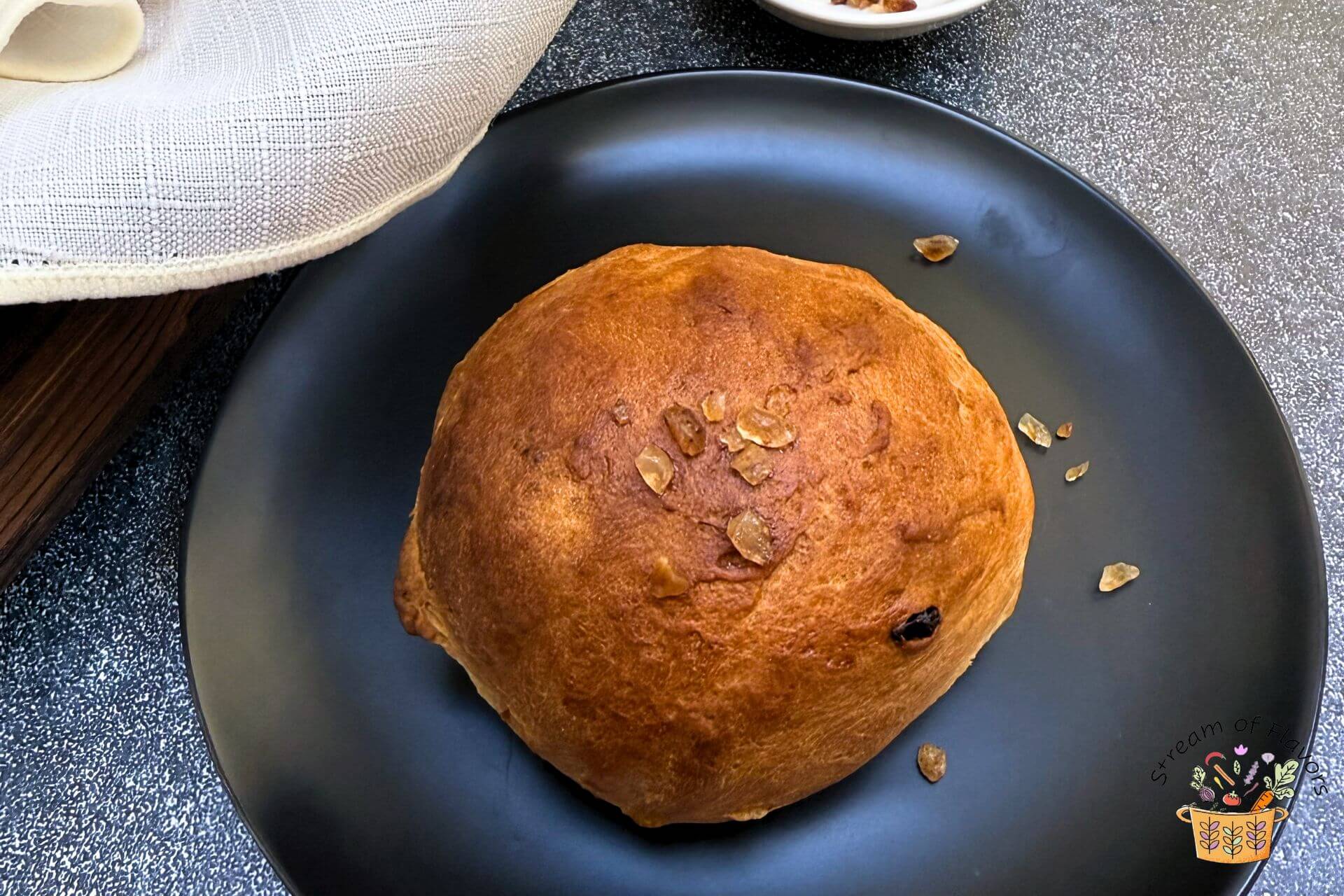
Bath Buns Recipe is a true taste of English heritage. These golden, soft tea-time treats are enriched with butter, milk, and eggs, yielding a tender crumb with a light, buttery flavor. Laced with currants and orange peel and sprinkled with nib sugar, these rich buns are a comforting indulgence alongside a hot cup of English breakfast tea. Bath buns bring a timeless sweetness to any table; so bring some home-baked comfort to your table, serving them with butter, jam, or clotted cream!
I love Bath Buns, having tasted them in Bath several times when we were living in Bristol. We visited the quaint and charming tea shop, also known as ‘The Bath Bun,’ situated behind Bath Abbey. This Bath Bun Recipe is from a flyer that I acquired while visiting Bath a few times.
What are Bath Buns?
Bath Buns are traditional English sweet buns. These light buns are kneaded with fruit peel and currants or raisins and sprinkled with nib sugar, or sometimes with caraway seeds or pearl sugar. The legend behind the sugar and fruit Bath Bun was that it was invented by Dr. William Oliver to refresh (reward) his rheumatic patients following their treatment.
As a fan of Jane Austen and as an afternoon tea aficionado, I know that Bath Buns could be a confusing topic. The Bath Buns that Jane Austen was fond of in the late 18th and early 19th century, and what is served as ‘Bath Buns’ today are two different things. To be sure, they are buns, but they are two different types of buns. Unlike the sugar and dried fruit bombs that are today’s Bath Buns, the Jane Austen version appears to have more spice and less sugar.
Here’s an excerpt of an 18th-century recipe (courtesy of several websites, including the Jane Austen one):
Bath Buns: Rub half a pound of butter into a pound of flour, and one spoonful of good barm (the froth on fermenting malt liquor used for leavening), warm some cream, and make it into a light paste, set it on the fire to rise, when you make them up to take four ounces of caraway comfits, work part of them in, and strew the rest on the top, make them into a round cake, the size of a French roll, and bake them on sheet tins, and send them in hot for breakfast. (Elizabeth Raffald, The Experienced English Housekeeper, 1786)
What is the difference between Bath Buns Recipe and Sally Lunn?
The Bath Bun Recipe is also often confused with another Bath delectable: the Sally Lunn. They are both yeasty buns, but the Sally Lunn is more like a lightly sweet, overly large (it’s about 6 inches in diameter) brioche with a soft dome. The Bath Bun is a more compact sugared bun that has a sugar bomb baked into the base, crushed sugar sprinkled on the dome, and garnished with currants or raisins. I shall reserve the story behind the Sally Lunn for a later time, but the stories are filled with yeasty intrigue than the bun.
Whether you choose to believe the stories or not, it is fair to say that the love story between the sweet tooth and these yeasty buns started in the 17th or 18th century and has endured and evolved. Whether it was Jane Austen or JK Rowling, the Bath Bun has left an indelible mark on food culture, along with that most notable British contribution to world food culture: afternoon tea.
Frequently Asked Questions:
1.What kind of sugar topping can I use?
Traditionally, the Bath Buns recipe calls for nib sugar or caraway seeds. You could use pearl sugar or crushed sugar cubes.
2. Can this recipe be used to make Bath Buns ahead of time?
Bath Buns can be made ahead of time. Knead the dough, then mix in the fruit and peel, and allow the dough to rise once. Then, store the dough in an airtight container and refrigerate it. Knead the dough lightly, shape it, and bake the buns the following day.
3. Why did my Bath Buns turn out dense?
There could be a few possible reasons for dense buns. The dough may not have been kneaded well to develop gluten. The yeast might have been old or inactive. The rising time of the buns may have been short. The buns need a warm environment to help them rise, even if it sometimes takes longer to double in size.
This post may contain affiliate links. As an Amazon Associate, I earn from qualifying purchases at no extra cost to you.
If you’ve tried this recipe or have questions, I would love to hear from you. Please feel free to share (below) your thoughts, comments, or any questions that you might have. If you enjoy my recipes, consider subscribing to my mailing list for the latest updates, delivered right to your inbox. From my pen to your table, Bon Appétit!
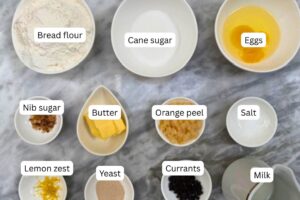
Ingredients:
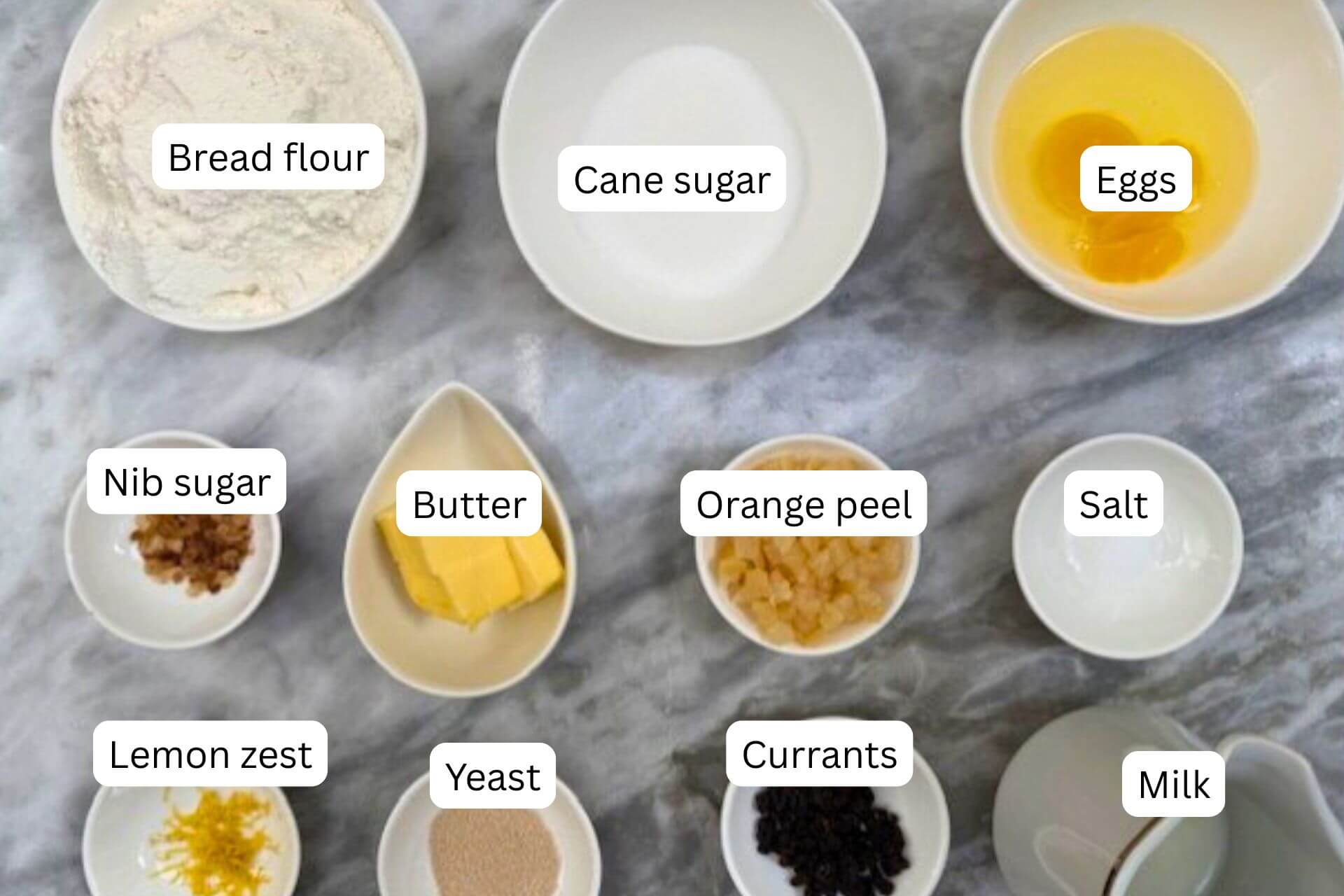
- Flour: bread flour (or use all-purpose flour)
- Sugar: cane sugar for the buns and nib sugar for the topping
- Fruit: dried currants, orange peel, lemon zest
- Butter
- Egg
- Yeast
- Milk
Here are the step-by-step instructions for making this dish. For the recipe, please refer to the recipe card below.
How to make Bath Buns with this recipe:
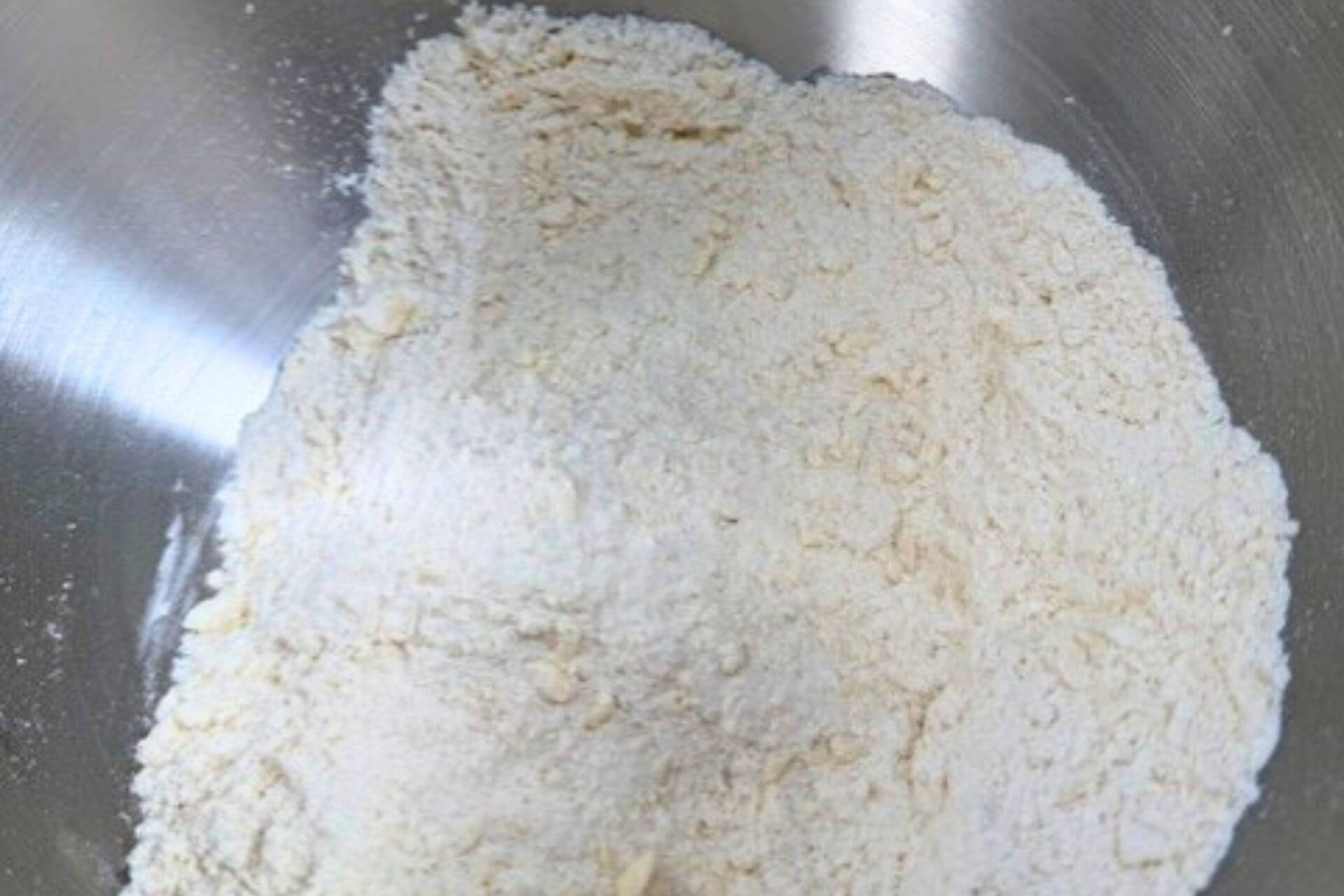
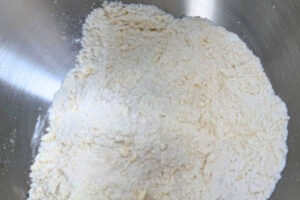
- Place the sifted flour with salt in a stand mixer. Drop the chopped butter cubes into the flour and rub the butter into the flour using a pastry cutter or your fingertips until the mixture resembles breadcrumbs.
2. Whisk lukewarm milk with the yeast and a pinch of sugar using a fork in a small bowl. Add eggs, lemon zest, and cane sugar to the yeast mixture and whisk until combined. Pour this mixture into the flour in the stand mixer and knead it into a smooth, elastic dough using the dough hook attachment for 10 minutes. Grease the bowl with some butter and cover it with a damp towel. Place it in a warm oven (that has been turned off) and let it rise for 45 minutes.
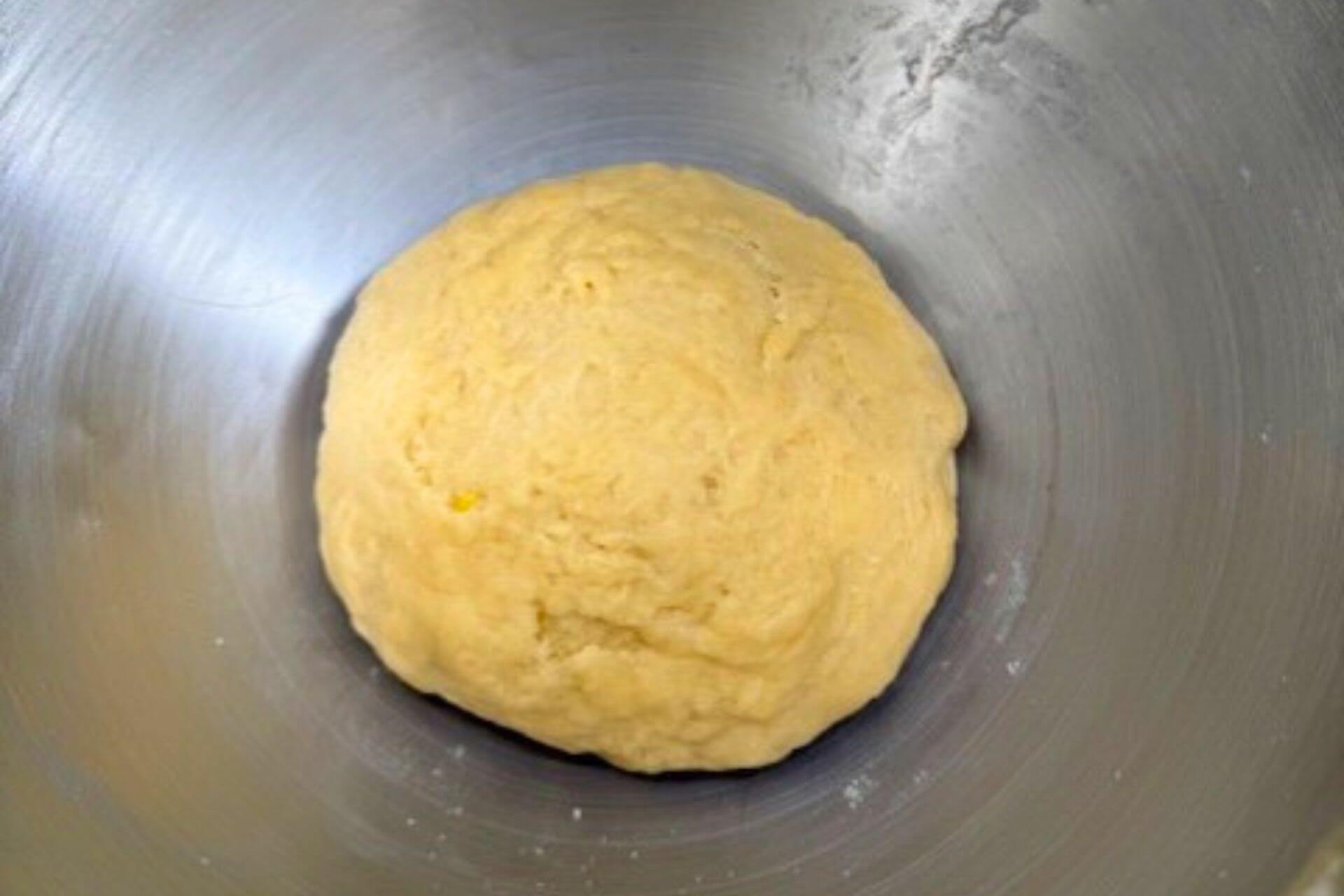
3. Remove the dough ball from the oven after it has doubled in size.
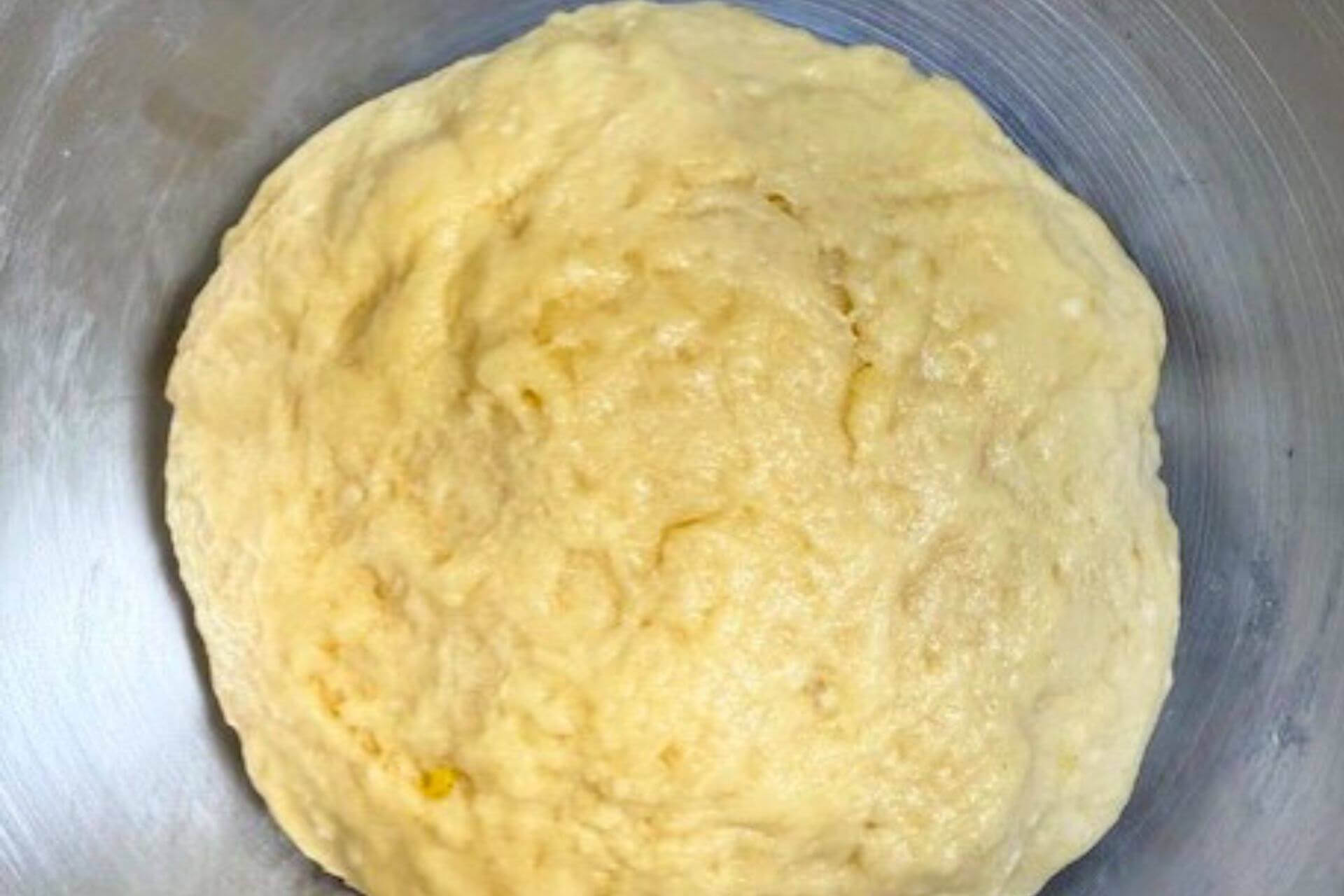
4. Add the orange peel and currants to it. Knead it for 2-3 minutes. Divide the dough into four portions and shape each into a ball. Prove the balls covered with a damp towel on a greased baking tray for 10 minutes.
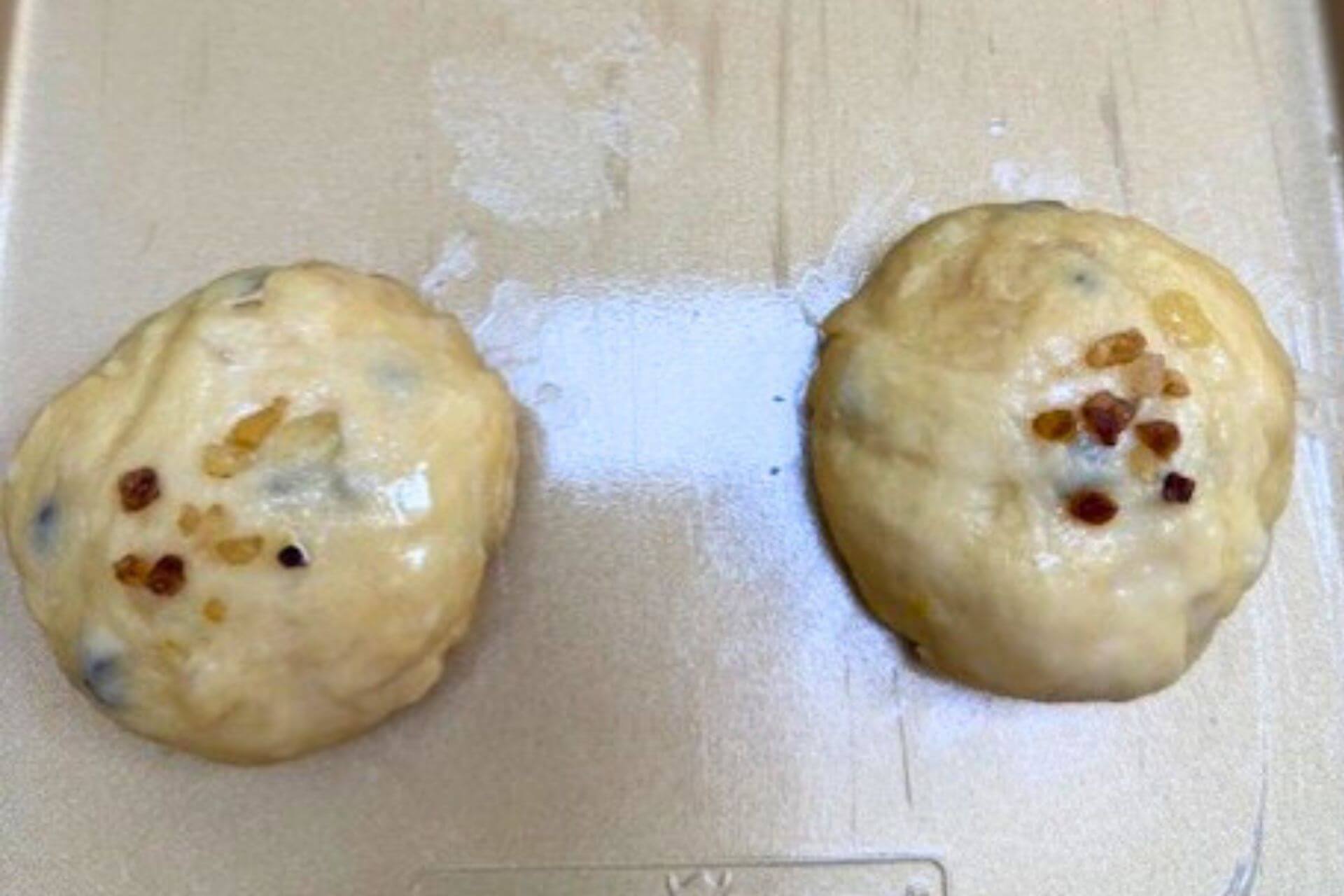
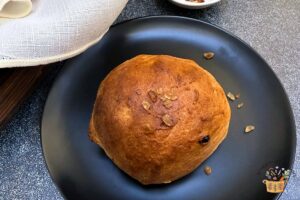
5. Whisk an egg with a teaspoon of milk, and brush the balls with the egg wash. Sprinkle the nib sugar on top. Bake the buns for 16-17 minutes or until golden on top. Remove the tray from the oven. Let the Bath Buns cool before removing them from the tray. Serve with hot tea or coffee.
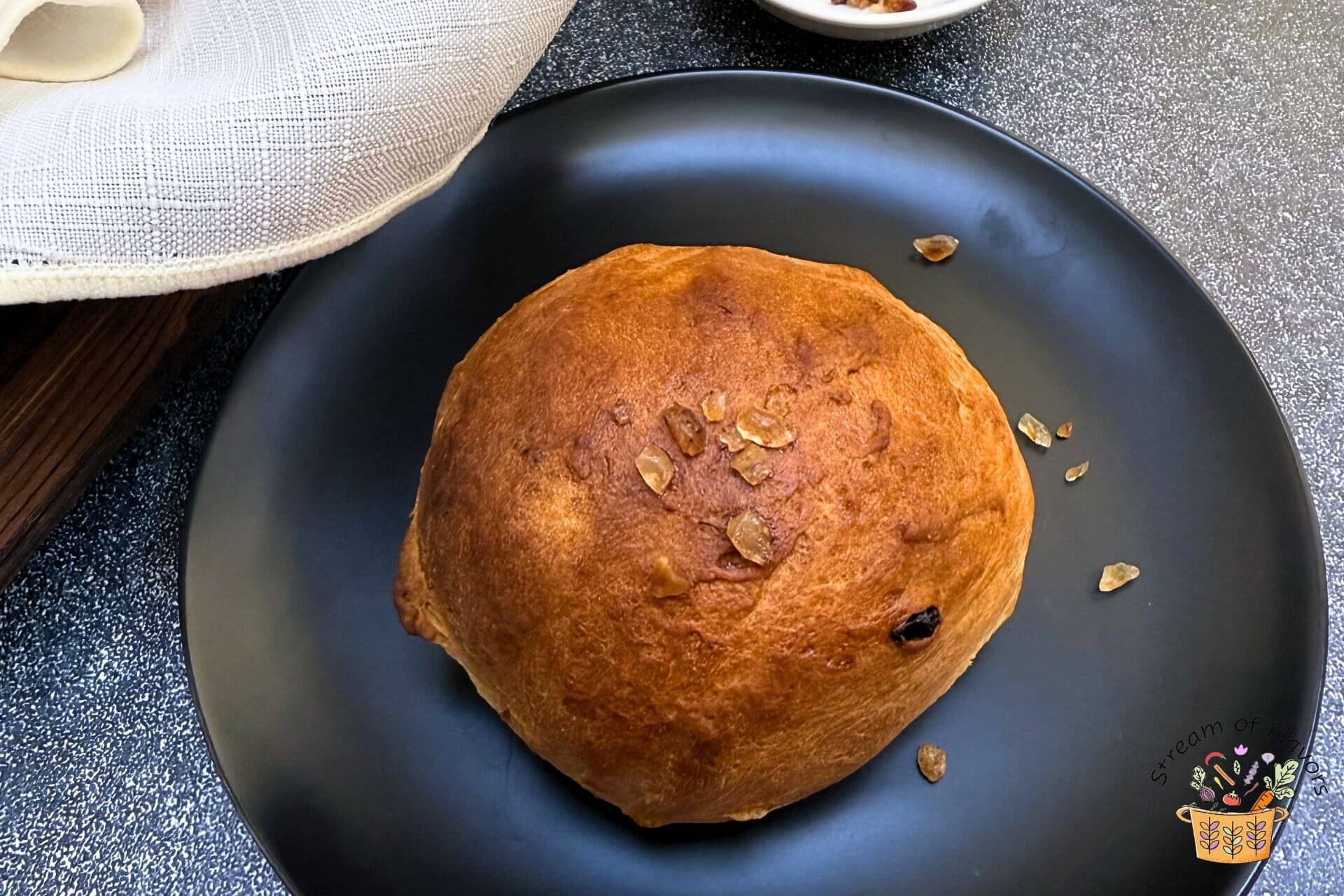
1. Knead the dough until smooth and elastic in the stand mixer. It must be slightly springy.
2. Allow the buns to rise in a warm place or turn on the oven to the lowest settings for a couple of minutes (and then turn it off) and place the dough covered with a damp napkin in it. Let the dough double in size, even if it takes longer, for the Bath Buns will be lighter and tastier.
3. Milk must be warm (100 degrees F) and not too hot, as it will kill the yeast. If the milk is too cold, the dough will not rise properly.
Serving suggestion:
Serve Bath Buns warm with fruit preserves, butter, or clotted cream. These buns are perfect for afternoon tea or brunch. Enjoy them with a cup of hot English breakfast tea.
Storage:
Bath Buns can be stored in boxes at room temperature for two days after cooling them completely. Store any leftover buns in airtight containers for up to three months in the freezer. Thaw the buns and reheat them in the oven at the lowest setting for a few minutes.
Other tea-time recipes that you might like:
Bath Buns Recipe
Equipment
- Oven
- Baking tray
Ingredients
- 6 oz all-purpose flour
- a pinch salt
- 2½ oz butter unsalted
- 1 oz cane sugar
- ½ oz active yeast
- 1 egg
- ¼ cup whole milk
- 1 tbsp currants
- 1 tbsp orange peel
- ½ tsp lemon zest
- 1 egg for brushing
- 1 tbsp nib sugar
Instructions
- Prepare the ingredients.
- Place the sifted flour with salt in a stand mixer. Drop the chopped butter cubes into the flour and rub the butter into the flour using a pastry cutter or your fingertips until the mixture resembles breadcrumbs.
- Whisk lukewarm milk with the yeast and a pinch of sugar using a fork in a small bowl. Add eggs, lemon zest, and cane sugar to the yeast mixture and whisk until combined. Pour this mixture into the flour in the stand mixer and knead it into a smooth, elastic dough using the dough hook attachment for 10 minutes. Grease the bowl with half a teaspoon of butter and cover it with a damp towel. Place it in a warm oven (that has been turned off) and let it rise for 45 minutes.
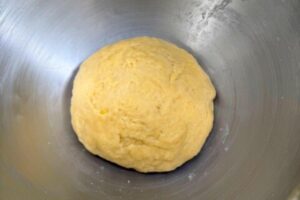
- Remove the dough ball from the oven after it has doubled in size.
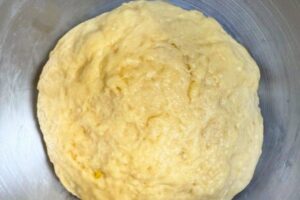
- Add the orange peel and currants to it. Knead it for 2-3 minutes. Divide the dough into four portions and shape each into a ball. Prove the balls covered with a damp towel on a greased baking tray for 10 minutes.
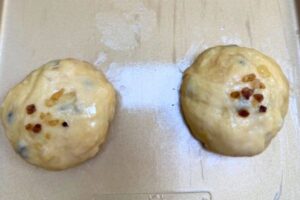
- Preheat the oven to 425 degrees F.Whisk an egg with a teaspoon of milk, and brush the balls with the egg wash. Sprinkle the nib sugar on top. Bake the buns for 16-17 minutes or until golden on top. Remove the tray from the oven. Let the Bath Buns cool before removing them from the tray. Serve with hot tea or coffee.
Notes
Nutrition



Turned out wonderful! Thanks for sharing 🙂
Good to know Archana, thanks!
What kind of candied peel did you use?
I used the mixed candied peel which is similar to the variety used in fruit cakes.
Tasted wonderful!
Great for a teatime snack!
My wife and I love these as a snack, thanks Kanchan!
Could you say how much water is supposed to be mixed with the yeast and sugar? It isn’t listed. Thanks!
Hi, please add one tablespoon of warm water and mix the yeast and sugar in it. Let it froth for 5 minutes.